

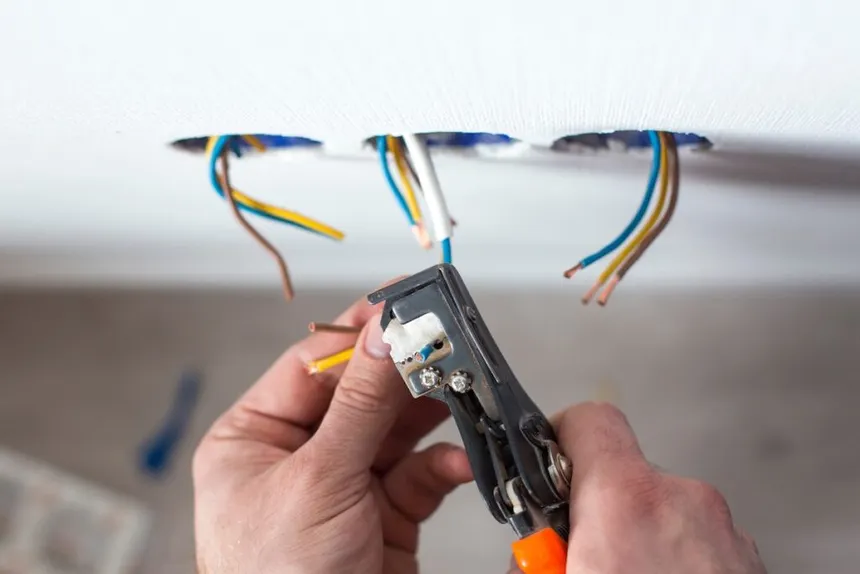
Homeowners generally do not pay much attention to the home's wiring unless something goes wrong. And by the time the issue becomes visibly troubling, the problem has deepened, as it had been developing quietly inside the walls for years.
At E-Z-A Electric Inc., we've been inspecting, repairing, and replacing home wiring across Indianapolis for over 32 years.
Here is a straightforward guide to help you understand what type of wiring you have, what it means, and when to repair or replace.
The wiring of your home- and how much risk it carries- is largely determined by your home's age.
For the homes built before the 1940s, "knob-and-tube" wiring may still be found. It consists of individual copper wires running through ceramic knobs and tubes, with no ground wire. They were commonly installed in homes built during the 20th century, but are considered to be outdated according to the current electrical codes.
Many insurance companies will also not cover homes with active knob-and-tube wiring.
This was used widely from the mid-1960s to the 1970s. Warning signs of an aluminum circuit include warm face plates on outlets or switches, flickering lights, a smell of burning plastics, or circuits that don't work.
The U.S. Consumer Product Safety Commission (CPSC) recommends having the wiring inspected and repaired by a licensed electrician who is familiar with the specific requirements of aluminum wiring systems.
This wiring is the current standard found in homes built after the mid-1970s. When properly installed and maintained, copper wiring is durable and reliable. However, it can still develop faults over time due to age, damage, or overloading.
The answer to this question depends on what problem exists and how widespread the damage is.
Repair makes sense when the wiring is modern copper, the issue remains isolated to a particular circuit or connection, and the rest of the system is in good working condition.
A loose connection, a single damaged wire or a faulty circuit can usually be repaired without disrupting the wiring in the rest of the home.
Electrical wiring replacement becomes necessary when the home has knob-and-tube or aluminum wiring throughout, when the damage is widespread across various circuits, when the home is being renovated, or when the inspection reveals that the existing wiring system is no longer safely supporting the home's electrical demand.
Partial rewiring, which means replacing wiring in specific areas like a kitchen, bathroom, or basement, is often a practical middle ground for older Indianapolis homes that don't require a full rewire.
If you're unsure whether your home needs a simple repair or complete electrical wiring replacement in Indianapolis, a licensed electrician can inspect your system and recommend the safest, most cost-effective solution.
The cost of wiring repair or replacement varies significantly depending on factors such as the scope of work, type of wiring involved and the size of the house.
| Scope of Work | Typical Cost |
|---|---|
| Single circuit repair | $150—$500 |
| Partial rewire (multiple rooms or a section of the home) | $2,000—$8,000 |
| Full home rewire (older home) | $8,000—$20,000+ |
| Aluminum wiring repair/remediation | $1,500—$5,000 |
Contact E-Z-A Electric Inc. for an accurate quote.
Home wiring in Indianapolis ranges from decades-old systems that carry real risk to modern copper wiring that simply needs a targeted repair. The only way to know what you have and what it actually needs is a professional inspection.
At E-Z-A Electric Inc., we offer free estimates and honest assessments. We'll tell you exactly what your wiring needs and what it will cost before any work begins.
Call us at (317) 945-2117 or visit ezaelectricinc.com to schedule your free estimate today.